

bullet resistant glass specification
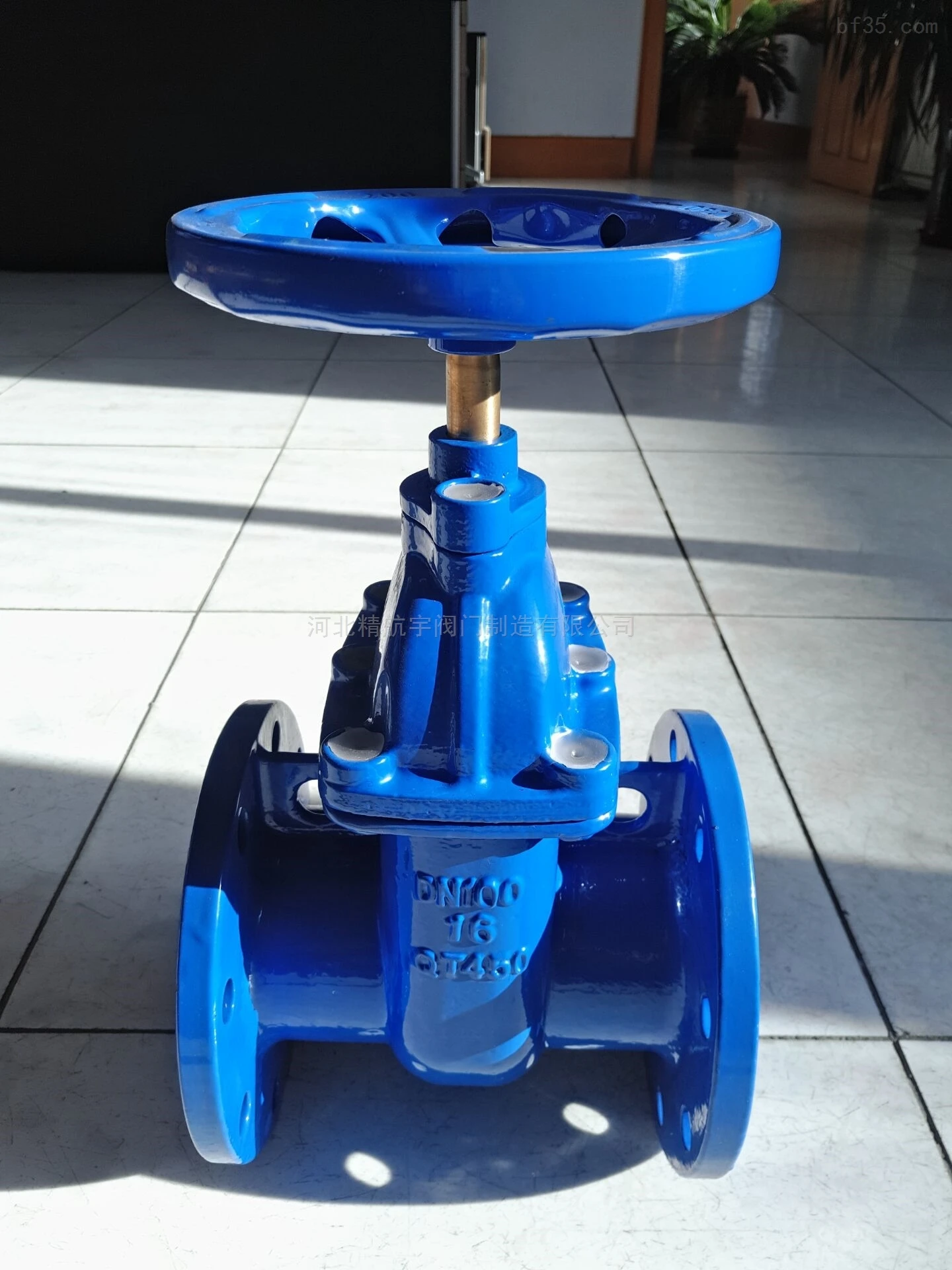
Soft Seal Gate Valves An Overview Soft seal gate valves play a pivotal role in various industrial applications, primarily known for their effectiveness in controlling the flow of fluids. Unlike traditional gate valves that utilize metal-to-metal contact, soft seal gate valves employ a resilient sealing mechanism, providing superior sealing performance and leak prevention. This article delves into the characteristics, benefits, and applications of soft seal gate valves. Design and Construction Soft seal gate valves are designed with a robust body typically made from cast iron, stainless steel, or ductile iron. The core feature of these valves is the gate—an integral part that slides within the valve body to open or close the flow channel. Unlike traditional gate valves, the sealing surfaces of soft seal gate valves are made from materials like rubber, EPDM, or other elastomers, allowing for a tight seal even under varying pressure conditions. These materials not only enhance sealing capacity but also contribute to the valve’s resistance against corrosion and wear. Advantages of Soft Seal Gate Valves One of the primary advantages of soft seal gate valves is their excellent sealing capability. The soft sealing surface compresses against the valve seat, minimizing the risk of leakage and ensuring that fluids remain contained within the system. This feature is particularly beneficial in critical applications where even minor leakages can lead to significant operational issues or environmental concerns. Another notable benefit is their low operating torque. The design of soft seal gate valves allows for smooth and easy operation, requiring less force to open or close the valve. This characteristic makes them user-friendly and ideal for operations that require frequent valve manipulation. soft seal gate valve Furthermore, soft seal gate valves typically have a longer service life compared to traditional types. The soft materials used for sealing are less prone to wear and tear, ensuring consistent performance over extended periods. This durability translates to reduced maintenance costs and downtime for industries relying on uninterrupted fluid flow. Applications Soft seal gate valves are widely utilized across various sectors, including water treatment, chemical processing, HVAC systems, and power generation. In water treatment facilities, they play a critical role in regulating the flow of water to prevent contamination and ensure efficient system operation. In the chemical industry, their corrosion-resistant properties make them suitable for handling aggressive fluids. Additionally, these valves find applications in building HVAC systems, where they control the distribution of heating and cooling fluids. Their efficient sealing capabilities also make them essential in power generation plants, where maintaining precise flow rates is crucial for optimal performance. Conclusion In conclusion, soft seal gate valves represent a significant advancement in valve technology, combining effective sealing with ease of operation. Their design mitigates leakage risks while offering enhanced durability, making them a preferred choice for various industrial applications. As industries continue to evolve, the demand for reliable and efficient flow control solutions like soft seal gate valves is expected to grow, reinforcing their importance in modern engineering and infrastructure. Whether in water treatment plants, chemical processing facilities, or HVAC systems, the reliability and efficiency of soft seal gate valves will remain indispensable for ensuring seamless operations.
about
bullet resistant glass specification
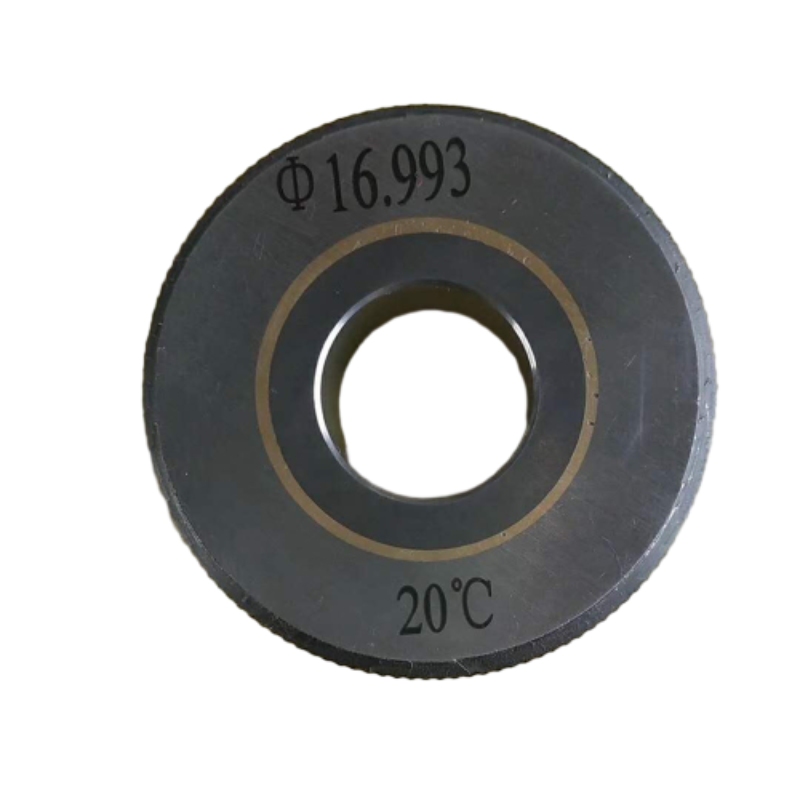
Understanding Bore Gauges A Deep Dive into the 18mm and 35mm Variants Bore gauges are essential tools in precision engineering and manufacturing, specifically used for measuring the internal diameter of holes, cylinders, and other circular openings. Among the various types of bore gauges available, those with specifications of 18mm and 35mm serve unique purposes in industrial applications. This article aims to explore the features, uses, and advantages of these bore gauge dimensions, enhancing our understanding of their significance in maintaining quality standards. What is a Bore Gauge? A bore gauge is a measurement tool designed for internal diameters, often used in conjunction with a micrometer or caliper. The gauge typically comprises a handle, a measuring probe, and a mechanism to ensure precise readings. The design allows for easy insertion into a hole, where the measuring probe expands or adjusts to contact the walls of the bore. This contact allows for accurate measurement of the internal diameter, ensuring that components fit correctly and function as intended. Features of 18mm and 35mm Bore Gauges 1. Size and Range The 18mm bore gauge is perfect for measuring smaller holes found in precision machinery, automotive parts, and intricate components, whereas the 35mm variant addresses larger openings typically found in industrial applications such as pumps, valves, and heavy machinery. 2. Precision Measurement Both sizes are designed to offer high precision, often achieving resolutions in micrometers (µm). The 18mm gauge is ideal for tighter tolerances, while the 35mm version can handle slightly broader tolerances while still delivering reliable results. 3. Material and Durability Typically made from high-quality steel or carbide, both gauges are constructed to withstand heavy use in rigorous environments. Durability is critical, as bore gauges endure constant handling and exposure to varying temperatures and conditions. 4. Ease of Use Bore gauges feature ergonomic designs that enhance user experience, often equipped with easy-to-read dials or digital displays. This user-friendliness is vital to ensuring that operators can achieve accurate measurements without extensive training. Applications of Bore Gauges The applications of 18mm and 35mm bore gauges span numerous industries. bore gauge 18 35mm - Manufacturing In mechanical manufacturing, ensuring the correct internal dimensions is crucial for parts that need to fit together, such as gears, pistons, and bearings. The 18mm bore gauge finds significant use in small component fabrication, where precision is paramount. - Automotive Industry In automotive engineering, bore gauges are used to measure engine components, like cylinders, ensuring that they conform to strict specifications for performance and efficiency. - Aerospace The aerospace sector demands rigorous adherence to tolerances; thus, both 18mm and 35mm gauges are employed in the production of components like fuel injectors and turbine blades, where deviation can result in safety issues. - Quality Control In quality control processes, both bore gauge sizes are crucial in verifying that manufactured products meet design specifications. This verification is essential in maintaining consistency and reliability in production. Advantages of Using Bore Gauges The use of bore gauges provides several advantages, including - High Accuracy Bore gauges provide precise measurements, which are critical in applications where even the slightest deviation can lead to product failure. - Efficiency in Measurement Their quick and straightforward design allows for rapid assessments, improving workflow efficiency in busy production environments. - Versatility With different size options available, bore gauges can be used across various applications, making them a valuable investment for any shop or manufacturing facility. Conclusion In summary, 18mm and 35mm bore gauges are invaluable tools in precision measurement, serving vital roles across various industries. Their accuracy, durability, and ease of use make them indispensable in ensuring that components meet exact specifications, contributing to overall product quality and reliability. Whether in the automotive, aerospace, or manufacturing sectors, these gauges are instrumental in driving efficiency and maintaining high standards in production. As technology continues to evolve, the role of bore gauges will undoubtedly expand, reinforcing their importance in modern engineering practices.
-

High quality industrial productsagement

High quality industrial products
View Details -

Meet the diverse needs of customers

Meet the diverse needs of customers
View Details -

Strict quality control

Strict quality control
View Details -

Top raw materials

Top raw materials
View Details -

Trusted supplier

Trusted supplier
View Details
Our application


news and information
Versatile Applications of Parallel Rulers in Design and Technical Drawing
The Uses of Parallel Rulers Parallel rulers, a tool often seen on the desks of architects, engineers
various types of control valves
Various Types of Control Valves Control valves are critical components in a range of engineering app
Valve Selection Guide_ Differences and Applications of Gate Valves and Globe Valves
When navigating the world of industrial valves, understanding the nuances between various types can
 English